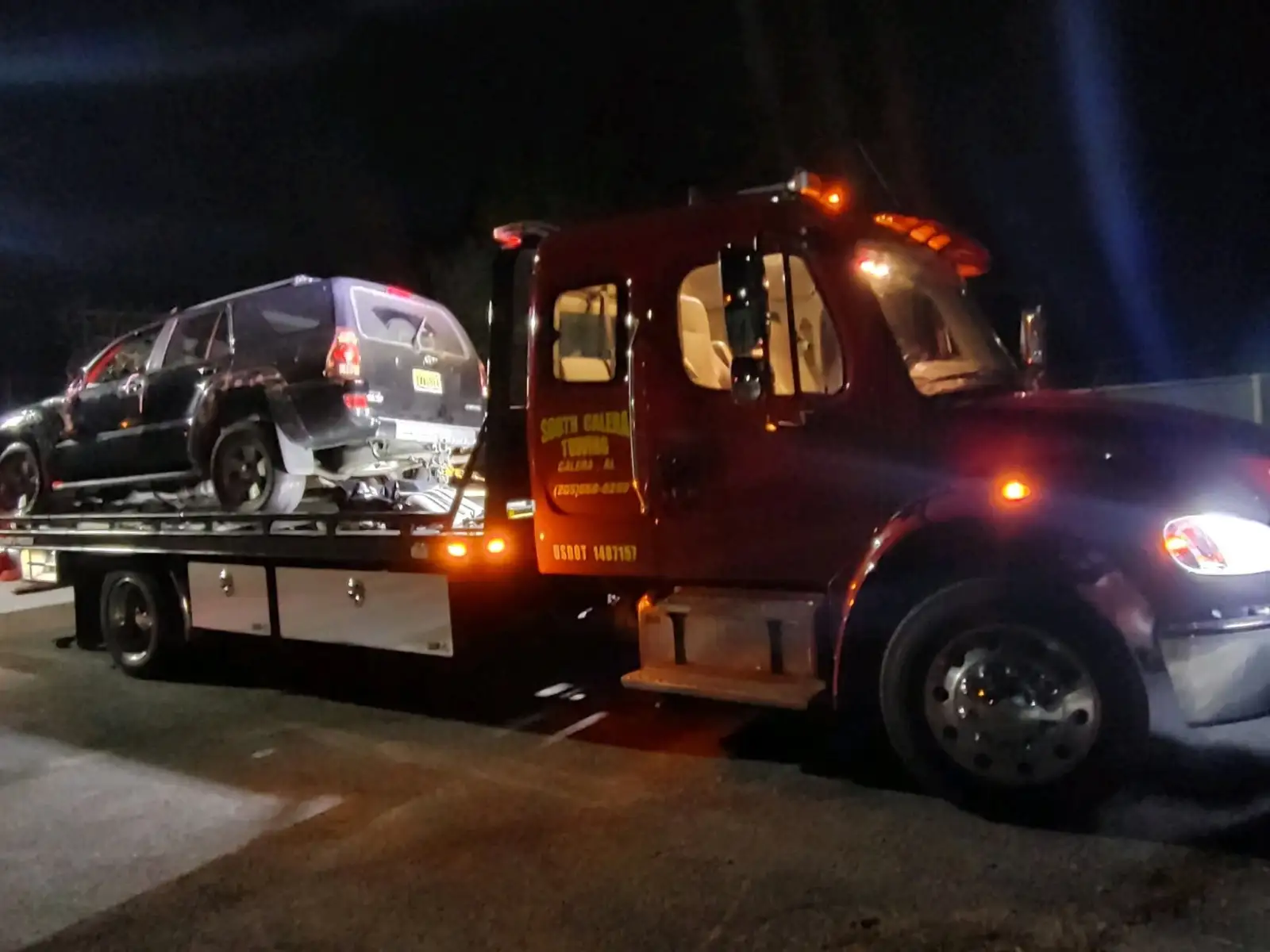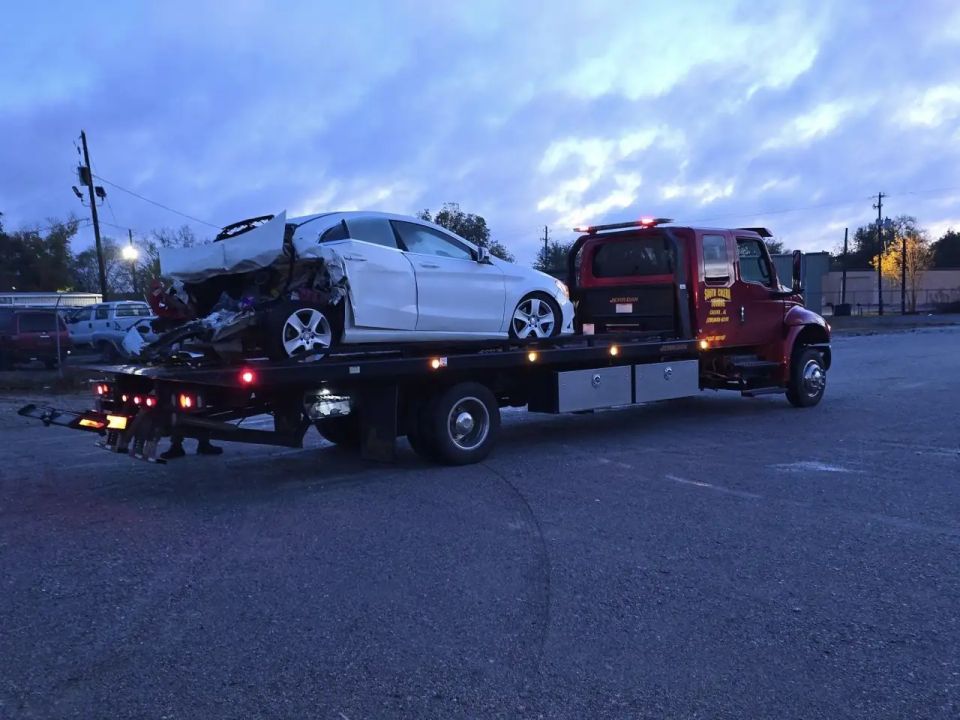
“Will my insurance pay for this?” is one of the first things people ask us at the roadside. The honest answer: it depends on your policy and on why you need the tow. Here is how it usually works – but your policy is what counts, so always check it.
Breakdowns: roadside assistance coverage
Many auto policies offer roadside assistance or “towing and labor” coverage as a cheap add-on. It usually pays for a tow up to a certain distance and for small jobs like a jump start, a tire change, fuel delivery or a lockout. Some policies send their own provider; others reimburse you when you use a local company and send in the receipt.
One customer wrote that we told her to check with her insurance company first, to see whether they would reimburse her or send someone else. That is good advice for everybody.
After a crash: collision coverage or the other driver
- If the other driver was at fault, their insurance normally pays for towing and storage as part of your claim.
- If you were at fault, or it was a single-car wreck, your collision coverage usually pays – minus your deductible, which is applied to the whole claim.
- With only liability insurance, the tow after a crash you caused is usually on you.
Motor clubs, credit cards and warranties
Motor clubs, some credit cards, cell phone plans and new-car warranties include roadside help. Look for the roadside number on your card, your windshield sticker or in the owner’s manual.
How to get reimbursed
- Call your insurer or club first and ask: “Will you reimburse a local tow company?”
- If their provider can’t come, or would take hours, ask them to note it – then call a local company.
- Keep the itemized receipt. We give one with every tow.
- Send it in with the claim number.
Storage costs add up
After a crash, a car that waits at a tow yard can collect daily storage fees. Tell your insurer where the car is as soon as you can, so the adjuster can see it and decide quickly.